
CLAAS Hay Equipment
In Stock
-
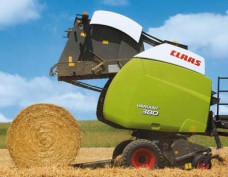
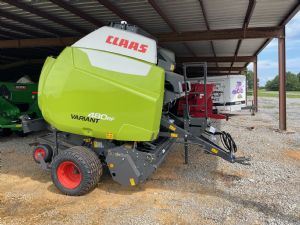 New CLAAS 480 VariantClaas 480 RF Baler. Roto Feed. Has both Net and Twine. Give us a call at and ask for Shawn. We also have a 480 RF DEMO baler available!$48,500
 -
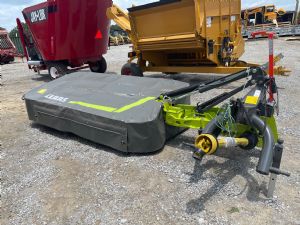
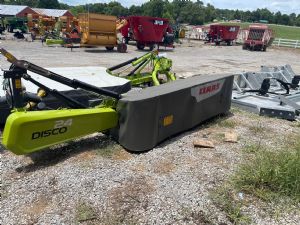 New CLAAS DISCO 24Claas Disco 24 Cutter. In stock ready to work! 5 discs, Cutting height 1.2- 2.75". 1433 lbs Minimum hp required - 40. Give us a call at 800-669-6450 . Ask for Shawn.$10,500
 -
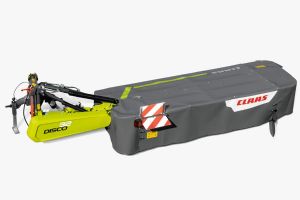
 New CLAAS DISCO 28Claas 8'6" Heavy Duty Cutter. Disco 28. In stock Ready to work! Quick Change blades. 55 Min. hp required. Ask for Shawn or Angie$13,300
 -
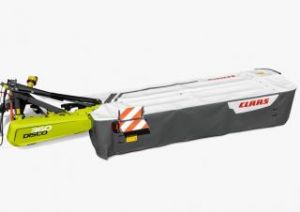
 New CLAAS DISCO 32Heavy Duty Claas Disco 32 Cutter. In stock! 9'10 cutter. Quick change blades. Minimum hp required 70. Ready to work for you. Give us a call at and ask for Shawn or Angie.$15,500
 -
New CLAAS DISCO 3550Claas Disco 3550 Cutter. 11'2" cut. 8 disc. Heavy duty cutter with quick change blades. In stock and ready to work for you! Call us at and ask for Shawn.
-
 New CLAAS DISCO 360New Claas Disco 360. 11'2" cut. Heavy Duty. Requires 90 hp minimum. Weight - 1874 lbs. 8 disc, quick change blades. Give us a call and ask for Shawn or Angie.$17,850
 -
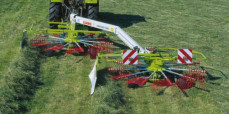
New 2023 CLAAS Volto 55THClaas 55T 4 basket tedder, 17'1". In stock! Ready to work for you. Special Price! Don't let this one get away! Give us call and Ask for Shawn or Angie.
Balers
Mowers